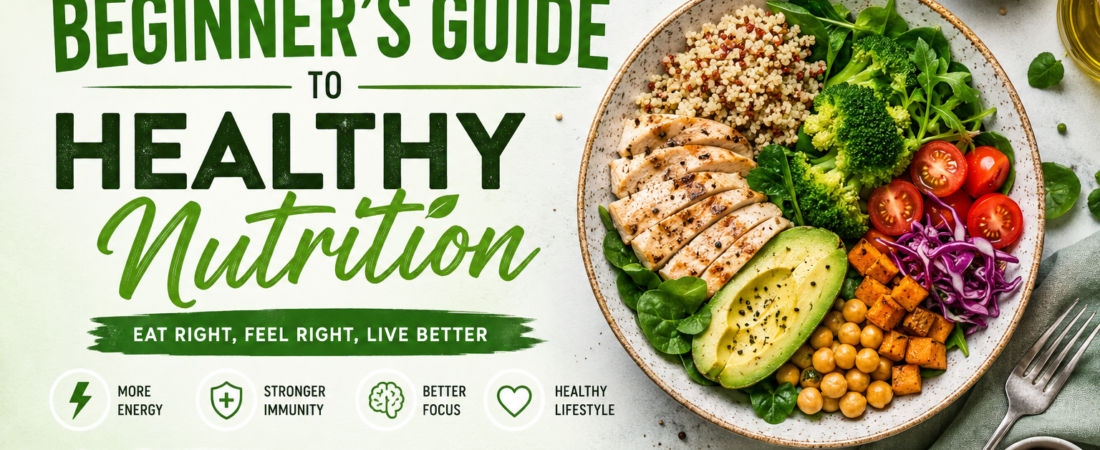
Healthy nutrition doesn’t have to be confusing. With so much information online, many beginners struggle to know what they should eat and what they should avoid. The good news is that healthy eating is much simpler than it seems.
This guide will teach you the basics of nutrition, explain why it matters, and provide practical tips that you can start using today.
What Is Healthy Nutrition?
Healthy nutrition means providing your body with the right balance of nutrients it needs to function properly. A nutritious diet helps you maintain a healthy weight, boosts energy levels, strengthens your immune system, improves mental health, and reduces the risk of chronic diseases.
A healthy diet is not about strict rules or eliminating all your favorite foods. Instead, it’s about making smarter food choices consistently.
Why Is Healthy Nutrition Important?
Eating nutritious foods offers many benefits, including:
- Increased energy throughout the day
- Better concentration and memory
- Stronger bones and muscles
- Improved digestion
- Healthier skin and hair
- Better sleep quality
- Lower risk of heart disease, diabetes, and obesity
- Stronger immune system
Small improvements in your diet can have lasting effects on your overall health.
The Six Essential Nutrients
Your body requires six major nutrients every day.
1. Carbohydrates
Carbohydrates are your body’s primary source of energy.
Healthy sources include:
- Oats
- Brown rice
- Sweet potatoes
- Whole wheat bread
- Fruits
- Vegetables
Choose whole-grain carbohydrates whenever possible instead of refined sugars.
2. Protein
Protein helps build muscles, repair tissues, and support your immune system.
Good protein sources include:
- Chicken
- Fish
- Eggs
- Greek yogurt
- Lentils
- Beans
- Chickpeas
- Tofu
- Nuts
Aim to include protein in every meal.
3. Healthy Fats
Healthy fats support brain function, hormone production, and heart health.
Best sources include:
- Avocados
- Olive oil
- Almonds
- Walnuts
- Chia seeds
- Flaxseeds
- Fatty fish like salmon
Avoid excessive amounts of trans fats and heavily processed fried foods.
4. Vitamins
Vitamins help regulate countless body functions.
Eat a colorful variety of fruits and vegetables to obtain different vitamins naturally.
Examples include:
- Oranges
- Spinach
- Carrots
- Broccoli
- Bell peppers
- Berries
5. Minerals
Minerals support bone health, muscle function, and hydration.
Important minerals include:
- Calcium
- Iron
- Magnesium
- Zinc
- Potassium
Milk, leafy greens, beans, seeds, and nuts are excellent sources.
6. Water
Water is often overlooked but is one of the most important nutrients.
Benefits include:
- Better digestion
- Improved energy
- Healthy skin
- Temperature regulation
- Joint lubrication
Most adults should aim for about 2–3 liters of fluids daily, adjusting based on activity level, climate, and individual needs.
Build a Balanced Plate
A simple method for healthy eating is to divide your plate into sections:
- 50%: Vegetables and fruits
- 25%: Lean protein
- 25%: Whole grains or healthy carbohydrates
Add a small amount of healthy fats for a complete meal.
Healthy Foods to Eat More Often
Focus on nutrient-dense foods such as:
- Fresh vegetables
- Fresh fruits
- Whole grains
- Lean meats
- Fish
- Eggs
- Beans
- Lentils
- Low-fat dairy
- Nuts
- Seeds
- Olive oil
Foods to Limit
You don’t need to completely eliminate these foods, but it’s wise to enjoy them in moderation:
- Sugary drinks
- Candy
- Processed snacks
- Fast food
- Deep-fried foods
- Excess salt
- Refined white bread
- Pastries
Healthy Eating Tips for Beginners
Starting healthy habits doesn’t have to be difficult.
1. Eat More Whole Foods
Choose foods that are minimally processed.
2. Don’t Skip Breakfast
A balanced breakfast can improve energy and focus.
3. Drink More Water
Carry a reusable water bottle to stay hydrated.
4. Read Food Labels
Look for foods lower in added sugar, sodium, and saturated fat.
5. Control Portion Sizes
Eating healthy foods is important, but portion sizes matter too.
6. Plan Your Meals
Meal planning helps reduce unhealthy food choices.
7. Cook at Home
Preparing meals yourself allows you to control ingredients and portion sizes.
Sample Healthy Meal Plan
Breakfast
- Oatmeal with berries
- Boiled eggs
- Green tea
Snack
- Apple
- Handful of almonds
Lunch
- Grilled chicken
- Brown rice
- Mixed vegetables
Snack
- Greek yogurt
Dinner
- Baked salmon
- Sweet potato
- Steamed broccoli
Common Nutrition Mistakes
Many beginners make these mistakes:
- Following extreme diets
- Skipping meals
- Drinking too many sugary beverages
- Eating too little protein
- Ignoring vegetables
- Believing every nutrition trend online
Healthy nutrition is about consistency—not perfection.
Healthy Habits Beyond Food
Nutrition works best when combined with other healthy habits:
- Exercise regularly
- Sleep 7–9 hours each night
- Manage stress
- Stay hydrated
- Avoid smoking
- Limit alcohol consumption
Frequently Asked Questions
Can I eat carbohydrates while trying to lose weight?
Yes. Choose whole grains, fruits, vegetables, and appropriate portion sizes rather than eliminating carbohydrates completely.
Is healthy eating expensive?
Not necessarily. Beans, oats, frozen vegetables, eggs, rice, and seasonal produce are affordable, nutritious options.
Do I need supplements?
Most people can meet their nutritional needs through a balanced diet. However, some individuals may require supplements based on age, health conditions, or dietary restrictions. Consult a healthcare professional before starting supplements.
Final Thoughts
Healthy nutrition isn’t about being perfect—it’s about making better choices more often. Start with small, sustainable changes like adding more vegetables, drinking enough water, and choosing whole foods over highly processed options.
Remember, every healthy meal is a step toward better health. Focus on progress, stay consistent, and enjoy the journey to a healthier lifestyle.